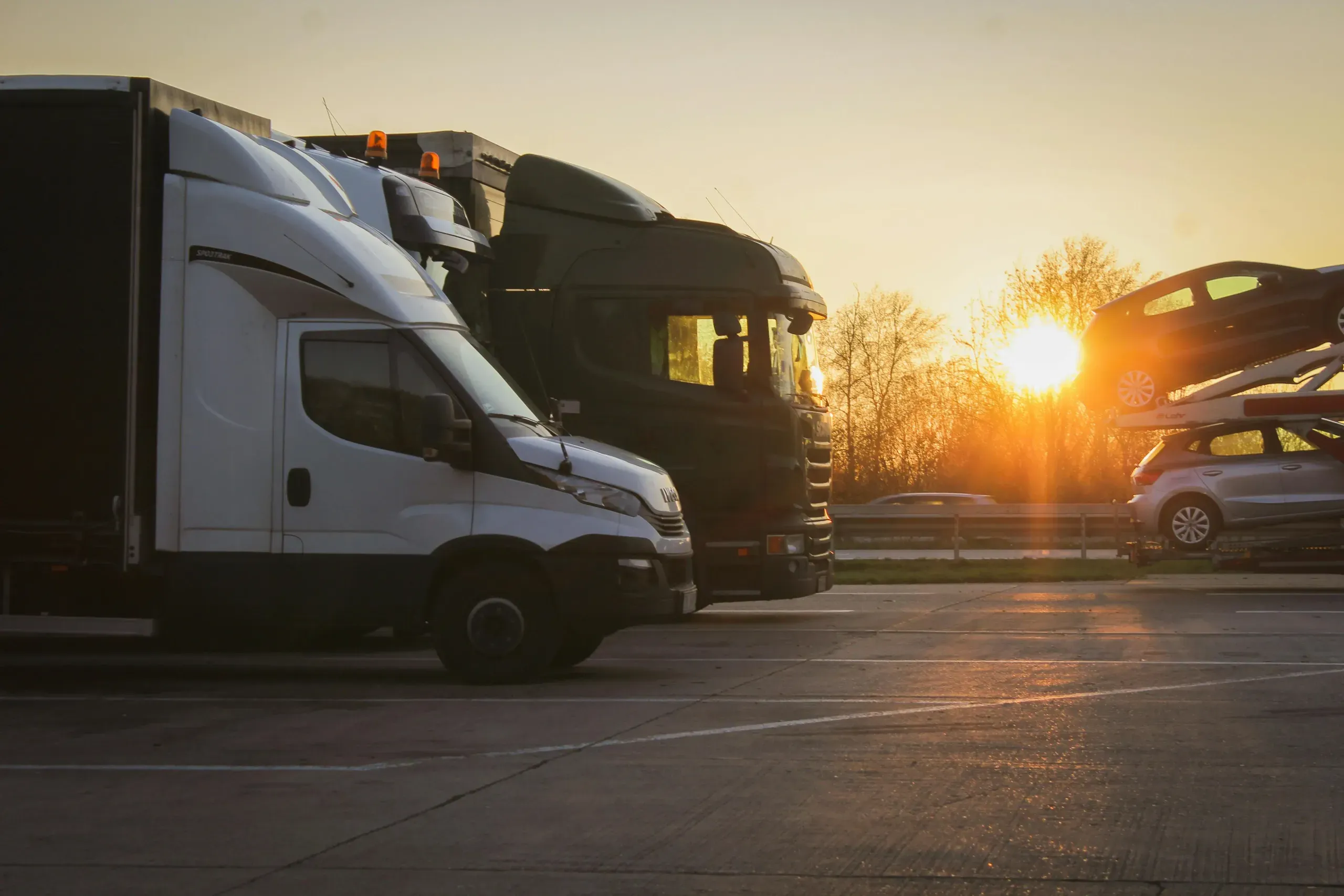
Ship Car from Oklahoma to Louisiana
Shipping a vehicle from Oklahoma to Louisiana covers approximately 523 miles, with most carriers completing the transit in two to three days. Because this route relies heavily on the I-49 corridor, it benefits from consistent traffic and efficient logistics. Whether you are relocating for work, purchasing a vehicle from a private seller, or managing a move for a family member, this guide covers everything you need to know. We will walk you through typical transit timelines, the booking process, vehicle preparation tips, and how to verify that your carrier is fully insured and ready.
- No-obligation quote within 2 minutes
- Price all-inclusive
- No charge until driver confirmed
- Distance
- 523 mi
- Transit time
- 2–3 days
- Open carrier from
- $600
How much does it cost to ship a car from Oklahoma to Louisiana?
For this 523-mile route, open transport typically costs between $600 and $775, while enclosed shipping ranges from $1,125 to $1,500, with delivery generally taking two to three days. As a referral service, Ship Car Pros connects you with independent carriers from our network, meaning your quote reflects the current market rate for these professionals to handle your specific shipment. There are six primary factors that determine where your final price lands, including your vehicle's size, your desired pickup window, and the exact locations for your pickup and delivery. We will break down how these variables shift your quote and what you can do to keep costs within the lower end of these ranges.
What factors affect car shipping cost?
Several variables influence the final rate for your shipment from Oklahoma to Louisiana. Each factor adjusts the effort and space required for a carrier to complete your delivery.
- Vehicle dimensions and weight: Larger trucks and SUVs require more trailer space and increase fuel consumption compared to standard sedans.
- Transport type: Selecting enclosed shipping provides premium protection but costs significantly more than standard open-trailer transport.
- Pickup and delivery flexibility: A wider timeframe allows carriers to integrate your vehicle into an existing route, often lowering your cost.
- Seasonal demand: High-traffic periods, such as summer moving months, create greater competition for trailer space.
- Route accessibility: Deliveries to rural locations off the main I-49 corridor require extra time and fuel for the driver.
- Vehicle operability: Non-running vehicles require specialized winching equipment and additional labor to load and unload safely.
Open vs. enclosed car transport: which should you choose?
Choosing between open and enclosed transport comes down to your vehicle’s value and your specific protection needs. Open transport is the industry standard, used for about 85% of all shipments. It is the same method dealers use to move new vehicles from the factory to the showroom floor. With a typical cost around $654 for this route, it is the most efficient choice for daily drivers, trucks, and standard SUVs.
Enclosed transport is a premium service that shields your vehicle from road debris, dust, and weather. With a typical rate around $1,250, it is best reserved for high-value collector cars, vintage vehicles, or custom builds with low ground clearance that might struggle on a standard ramp. If you are shipping a vehicle valued over $75,000 or want maximum peace of mind for a show car, the additional protection of an enclosed trailer is worth the investment.
- Open carrier
- $600–$775
- Standard 7–10 car hauler.
- Enclosed carrier
- $1,125–$1,500
- Sealed trailer for high-value vehicles.
How long does it take to ship a car from Oklahoma to Louisiana?
The 523-mile journey from Oklahoma to Louisiana generally takes two to three days for a carrier to complete. Once your vehicle is loaded, drivers typically cover about 400 to 500 miles per day while balancing federal safety limits, mandatory rest periods, and the logistics of navigating to your specific delivery address. While this provides a reliable estimate, remember that factors like severe weather or heavy traffic can shift these timelines slightly. We will cover the specifics of how pickup windows work and what you can do to keep your shipment on schedule in the following sections, ensuring you have a clear plan for your vehicle’s arrival.
Which routes do carriers usually take?
Carriers moving vehicles from Oklahoma to Louisiana primarily utilize I-49 S, which serves as the backbone of this corridor. After departing from major Oklahoma hubs like Oklahoma City or Tulsa, drivers typically navigate through the rolling terrain of the Ouachita region before transitioning into the flatter, more humid landscape of Louisiana. The route is straightforward, though drivers must remain alert for congestion when passing through urban centers like Shreveport. While the interstate highway system allows for consistent travel, carriers also monitor regional weather patterns, as sudden fog or heavy rain can occasionally impact traffic flow along the lower sections of the route as they approach the Gulf Coast.
What can delay your shipment?
While most shipments proceed smoothly, several factors can shift your delivery timeline. The I-49 corridor is susceptible to sudden, dense fog within the Atchafalaya Basin, which can lead to temporary corridor closures. During spring, heavy thunderstorms and flash flooding across Louisiana’s low-lying regions may also force carriers to detour. Additionally, scheduling is influenced by the calendar; pickup activity slows during holidays and weekends, meaning a Friday booking often waits until the following Monday to start. If you are shipping from an auction facility, delays are common if your gate pin, lot number, or buyer credentials are not finalized and ready for the driver at the time of pickup.
Popular Routes
Major city-to-city routes on the Oklahoma → Louisiana corridor.
| From | To | Approx. distance | Transit |
|---|---|---|---|
| Oklahoma City, OK | New Orleans, LA | ~580 mi | 3-5 days |
| Tulsa, OK | Baton Rouge, LA | ~480 mi | 2-4 days |
| Norman, OK | Shreveport, LA | ~280 mi | 2-4 days |
| Broken Arrow, OK | Lafayette, LA | ~460 mi | 2-4 days |
| Smith Village, OK | Lake Charles, LA | ~440 mi | 2-4 days |
| Edmond, OK | Houma, LA | ~570 mi | 3-5 days |
| Lawton, OK | Monroe, LA | ~390 mi | 2-4 days |
| Moore, OK | Mandeville, LA | ~550 mi | 3-5 days |
| Midwest City, OK | Slidell, LA | ~570 mi | 3-5 days |
| Enid, OK | Alexandria, LA | ~470 mi | 2-4 days |
How does shipping a car from Oklahoma to Louisiana work?
Shipping a vehicle from Oklahoma to Louisiana follows a simple three-stage process: you request a quote, the carrier arrives for pickup, and your vehicle is delivered to your final destination. We handle the logistics of matching your shipment with a vetted carrier from our network, ensuring you have a clear plan from start to finish. Once you confirm your details, the driver manages the loading, transit, and final inspection of your vehicle. The following sections outline how to prepare for each phase to ensure a smooth transition between states.
What happens between booking and pickup?
Once you sign your agreement, the transition from booking to the moment your vehicle is loaded follows a standard sequence managed by our dispatch team.
- Your shipment is posted to the national load board for review by vetted carriers in our network.
- A carrier accepts your load and is officially dispatched to your route.
- You receive a notification containing your carrier's name, driver details, and contact information.
- The driver coordinates with you to establish a specific 1-to-3 day pickup window.
- Your driver arrives at the pickup address to perform a thorough bill of lading inspection.
This phase is designed to be hands-off for you, as we handle the heavy lifting of carrier communication. While you wait for the pickup window, ensure your vehicle is ready for the road, clear out any excessive personal items, and have your contact information confirmed for both the origin and destination addresses.
What is a bill of lading (BOL)?
The bill of lading (BOL) acts as both your official transport contract and a detailed condition report for your vehicle. At pickup, the driver performs a thorough inspection-typically covering 21 points-to document any existing scratches, dents, or mechanical issues, often supported by photos. You receive a copy of this report before the vehicle is loaded. When the driver reaches the destination, perform a second, careful inspection in good light to compare the vehicle’s current state against the original report. Check for any new damage before signing the final BOL. This document is your primary protection and the standard evidence required should you need to file an insurance claim.
After delivery: registration and inspection in Louisiana
Once your vehicle arrives in Louisiana, you have 30 days to complete your registration with the Office of Motor Vehicles (OMV). You must visit an OMV branch or authorized Public Tag Agent in person, as Louisiana does not currently offer online title transfers for out-of-state arrivals. You will need your original out-of-state title, proof of insurance meeting the 15/30/25 liability minimums, and a completed Form DPSMV 1799. Before finalizing, all out-of-state vehicles must pass a safety inspection ($18 fee), and those domiciled in parishes like East Baton Rouge or Livingston require an additional OBD-II emissions test. Consult ExpressLane for the most current forms and local fee details.
Keep in mind that your responsibilities back in Oklahoma are not quite finished. You must physically remove and keep your Oklahoma license plates before the vehicle departs, as state law requires you to retain them rather than leaving them on the car.
How do you verify a car transport company is legitimate?
Verifying a transport company’s legitimacy is the most effective way to protect your vehicle and your peace of mind. Every legitimate carrier or broker must have a Motor Carrier (MC) number and a Department of Transportation (DOT) number. You can verify these credentials in seconds using the FMCSA’s official online database. If a company cannot provide these numbers or refuses to share their registration details, do not move forward with them.
Beyond federal licensing, always insist on a written agreement before any action is taken. A reputable provider will provide a clear contract outlining the service terms, insurance coverage, and total price. Be wary of any company that demands upfront payment or a deposit before a carrier is actually assigned to your vehicle. In the standard industry model, you should not be charged until a driver is confirmed and dispatched to your route.
Finally, look for independent, third-party validation. Check platforms like the Better Business Bureau or Transport Reviews to see how others have fared with the provider. Look for consistent communication, transparency regarding timelines, and how the company handles the occasional logistical hiccup. If a quote seems suspiciously low compared to others, it is often a sign that the provider is using deceptive pricing to secure a deposit, which can leave your vehicle stranded on a loading board for weeks.
How do I prepare my car for shipping?
Preparing your vehicle properly ensures a smooth inspection and protects your property during transit. Taking these steps before the driver arrives helps avoid delays and provides clear documentation for your bill of lading.
- Wash the exterior to ensure the driver can accurately document existing scratches or dents during the initial inspection.
- Photograph the vehicle from all angles, including the roof and undercarriage, and ensure the images are time-stamped.
- Remove personal belongings and loose items like toll tags, parking passes, and GPS units to comply with insurance regulations and keep the interior clear.
- Maintain a quarter-tank of fuel to keep the vehicle light enough for transport while ensuring it can be driven on and off the trailer.
- Disable security alarms and provide the driver with a complete set of keys, including any for the trunk or glovebox.
- Note any mechanical quirks or fluid leaks, and communicate these specific operational details to the driver upon their arrival.
Following this checklist helps create a seamless handoff and provides you with the necessary records to verify your vehicle’s condition upon delivery.
Specialty shipments from Oklahoma to Louisiana
Some shipments require more than a standard pickup and delivery. Whether you are buying from a specialized auction, moving a non-running project car, or relocating an entire fleet of vehicles, certain transport scenarios involve unique logistical requirements. We frequently coordinate these non-standard loads, and the following sections outline the specific documentation and equipment needed to handle auction vehicles, inoperable cars, and multi-vehicle shipments efficiently.
How do you ship a car bought at Copart or IAA auction?
Shipping vehicles from auction houses like Copart or IAA requires specific documentation that differs from a residential pickup. To ensure a carrier can gain entry, you must provide the lot number, your buyer number, and the gate pin associated with that specific vehicle. Without these three pieces of information, the driver will be denied access to the yard. You must also ensure that the vehicle is fully paid for and that the auction facility has released the title or gate pass.
Because these facilities require precise scheduling and paperwork, auction pickups often take an additional 1 to 3 days to coordinate compared to a standard home pickup. Always verify that your account is in good standing and that the auction house has confirmed the unit is ready for release before we dispatch a carrier. Providing these details upfront prevents delays and keeps your shipment moving.
How do you ship an inoperable car?
Shipping a vehicle that won't start is more involved than a standard transport, but it is a common request. For an inoperable car to be eligible for shipping, it must still be able to roll, steer, and brake. This ensures the driver can safely maneuver the vehicle onto the trailer. If the car has a locked transmission, a seized engine, or missing tires, it cannot be loaded using standard methods. Carriers use a winch to pull non-running vehicles up the ramp, which requires additional time, labor, and specialized equipment. Because of this extra effort, shipping an inoperable vehicle adds to the standard rate.
How do you ship multiple cars at once?
Shipping two or more vehicles simultaneously is a practical solution for families relocating, individuals moving multiple household cars, or collectors managing fleet transfers. Bundling your vehicles onto a single trailer often qualifies you for a multi-vehicle discount, which lowers the per-vehicle cost compared to booking separate shipments.
Because carriers prioritize efficiency, filling their trailer capacity in one stop is highly attractive to them. In most cases, we can coordinate a single carrier to handle all your vehicles, ensuring they travel the same route and arrive together. If your fleet size exceeds the capacity of one truck, we will arrange for multiple carriers to manage the transport in tandem.
Is it cheaper to ship a car or drive it from Oklahoma to Louisiana?
Deciding between shipping your vehicle and driving it yourself involves weighing direct costs against your time and personal effort. For this 523-mile route, the math is straightforward.
Shipping your vehicle via an open trailer typically costs around $654. This is an all-inclusive price that covers the driver, fuel, tolls, and insurance, allowing you to bypass the logistical demands of the road entirely.
If you choose to drive, your primary expense is the cost of vehicle operation. Using current AAA per-mile estimates of approximately $0.70, the drive from Oklahoma to Louisiana costs roughly $366 in wear, tear, and fuel. Because the 8-hour and 19-minute transit time is manageable in a single day, you can avoid the additional expense of overnight lodging.
While driving appears less expensive on paper, it requires a full day of your time behind the wheel. You must also factor in the fatigue of an eight-hour trip, the cost of meals on the road, and the opportunity cost of taking a day off work. Shipping effectively trades those hours and the physical strain of the drive for a professional service that delivers your vehicle directly to your door. The choice depends on whether you value the convenience of having your car arrive independently or prefer the lower out-of-pocket cost of driving it yourself.
| Ship it | Drive it | |
|---|---|---|
| Total cost | $600–$775 all-in | ~$486 (fuel + lodging + meals) |
| Your time | 0 hours | ~9 hrs driving + overnight |
| Wear & tear | None | 523 mi added; ~$0.10/mi depreciation |
| Risk | Insured in transit | Personal liability + fatigue |
For most Oklahoma → Louisiana shipments, ship is the better value once time and depreciation are counted.
Frequently asked questions
How much does it cost to ship a car from Oklahoma to Louisiana?
For this 523-mile route, open transport typically costs between $600 and $775, while enclosed transport usually ranges from $1,125 to $1,500. Your final rate depends on factors like vehicle size, seasonal demand, and your specific pickup and delivery locations. Because these costs reflect current market rates for independent carriers, getting an all-inclusive quote based on your specific vehicle and route is the best way to determine your exact price.
How long will it take for my car to get from Oklahoma to Louisiana?
The transit time for this route is typically two to three days once the vehicle has been loaded onto the carrier. While the non-stop drive is just over eight hours, carriers must balance federal hours-of-service regulations, which limit daily mileage, with the logistics of navigating to your specific addresses. Weather, traffic, and the number of other stops the driver makes along the way can also influence the final delivery date.
Should I use open or enclosed transport to ship my car to Louisiana?
Open transport is the industry standard and is the right choice for about 85% of vehicles, including daily drivers, trucks, and SUVs. Enclosed transport is a premium service that protects your car from weather and road debris, making it the better option for luxury, classic, or high-value vehicles worth over $75,000. If your car is a standard daily driver, open transport provides safe, reliable service at a significantly lower cost.
Is my vehicle insured while it's on the carrier's truck?
Yes, your vehicle is fully covered by the carrier's cargo insurance policy while it is in transit. Every legitimate transport company is required to carry this insurance, which typically covers your vehicle from bumper to bumper with zero deductible. This coverage protects your car against damage during the shipping process, providing peace of mind from the moment it is loaded at your origin until it is delivered to your destination.
When do I actually pay for my car shipment?
You do not pay for your shipment until a carrier has been confirmed and dispatched to your route. At that point, a deposit is charged to your card to secure the booking. The remaining balance for the transport is paid directly to the driver upon delivery. This balance is typically settled using cash, a certified check, a money order, or common digital payment platforms like Zelle or Venmo.
Do I have to be there in person when the driver picks up or delivers my car?
You do not need to be present personally for the pickup or delivery. If you are unavailable, you can authorize a friend, family member, neighbor, or dealership representative to hand over the keys and sign the paperwork on your behalf. Simply ensure that your authorized contact has the necessary information and is ready to complete the inspection and sign the bill of lading when the driver arrives.
What is the bill of lading, and why is it important?
The bill of lading is a vital document that serves as both your transport contract and a formal condition report for your vehicle. At pickup, the driver performs a thorough inspection to document existing scratches or dents, which is compared to a second inspection at delivery. This report is your primary evidence should you need to file an insurance claim, so always review it carefully before signing off on the vehicle's arrival.
Can my car be picked up or delivered on a weekend?
Carriers will deliver vehicles on weekends whenever they happen to arrive at your destination. However, weekend pickups are less common and often more difficult to coordinate because carrier activity is generally lower on Saturdays and Sundays. If your vehicle is booked for a Friday pickup, it is common for the actual loading process to be pushed to the following Monday or Tuesday, as drivers typically prioritize routes during the standard work week.